
Big Island Climate Zones
A buyer's guide to choosing your perfect microclimate on the Big Island of Hawaii
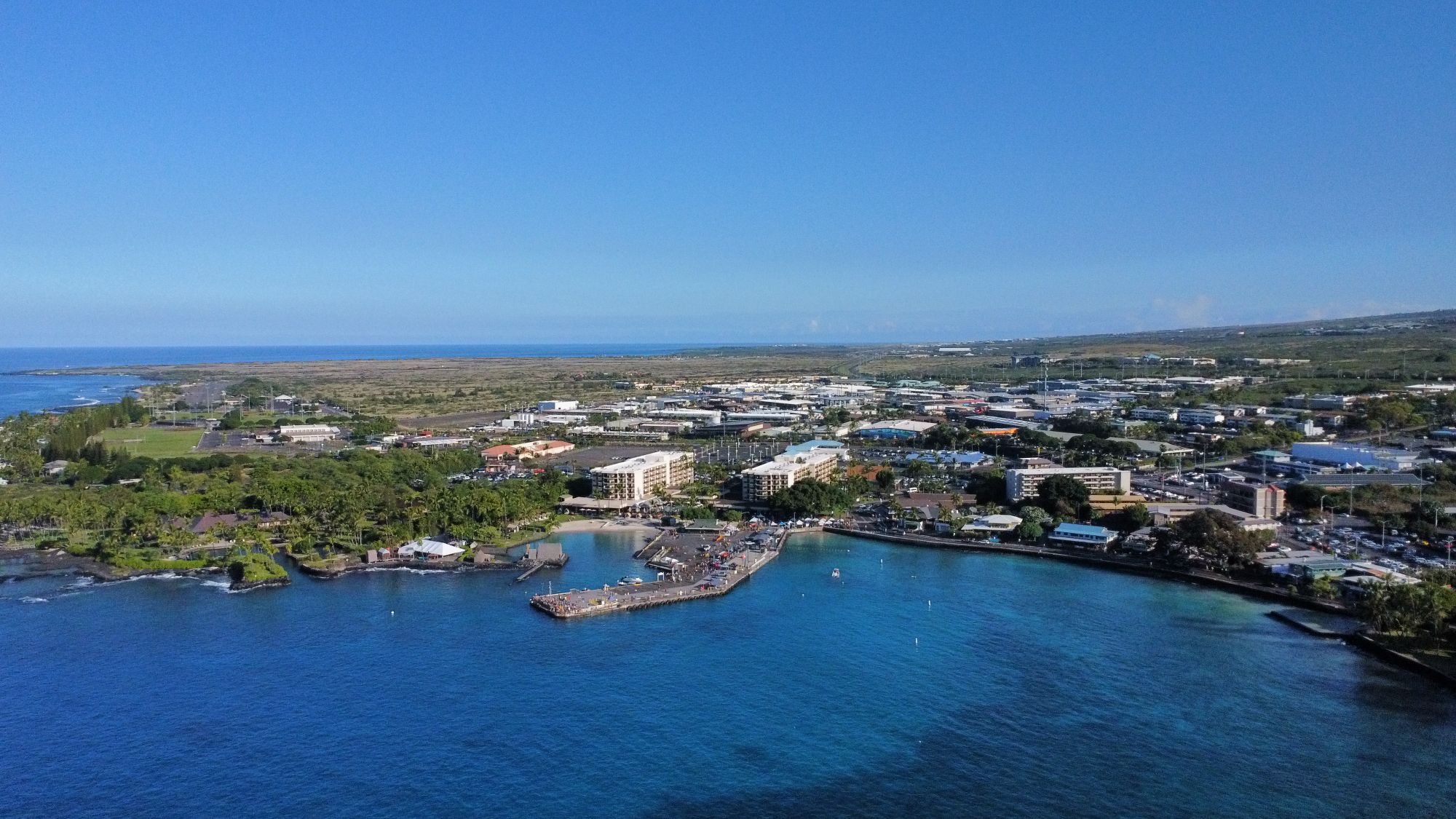
The Big Island of Hawaii holds 10 of the world's 13 recognized climate zones - more than any other island on earth. From sun-drenched resort coastlines to cool, misty volcanic highlands, this single island contains a range of living environments that most countries cannot match. Where you purchase on this island determines your daily weather, your lifestyle, and your long-term investment.
Why Climate Zones Matter for Buyers
Climate is not an abstraction here - it is a financial and lifestyle variable that directly impacts every property decision. The zone you choose influences daily comfort, outdoor living potential, landscaping and irrigation costs, building material requirements, and maintenance schedules. Understanding these zones before you buy means fewer surprises and a smarter investment.
Kona Coast
Best for: Sun seekers and resort lifestyle buyers
Climate: Warm, dry, and reliably sunny. The Kona Coast averages mid-80s during the day with low humidity. Rainfall is minimal - concentrated in brief afternoon showers rather than sustained wet seasons.
Lifestyle: Ideal for buyers who want an active outdoor lifestyle with ocean access, dining, and the conveniences of Kailua-Kona town. This is the island's hub - resort-style living with infrastructure to match.
Real Estate: Premium pricing reflects high demand and limited coastal inventory. Property types range from oceanfront condominiums to single-family homes in established communities. The Kona Coast consistently attracts buyers exploring the Big Island and second-home buyers.
Kohala & Waikoloa
Best for: Luxury resort buyers and investors
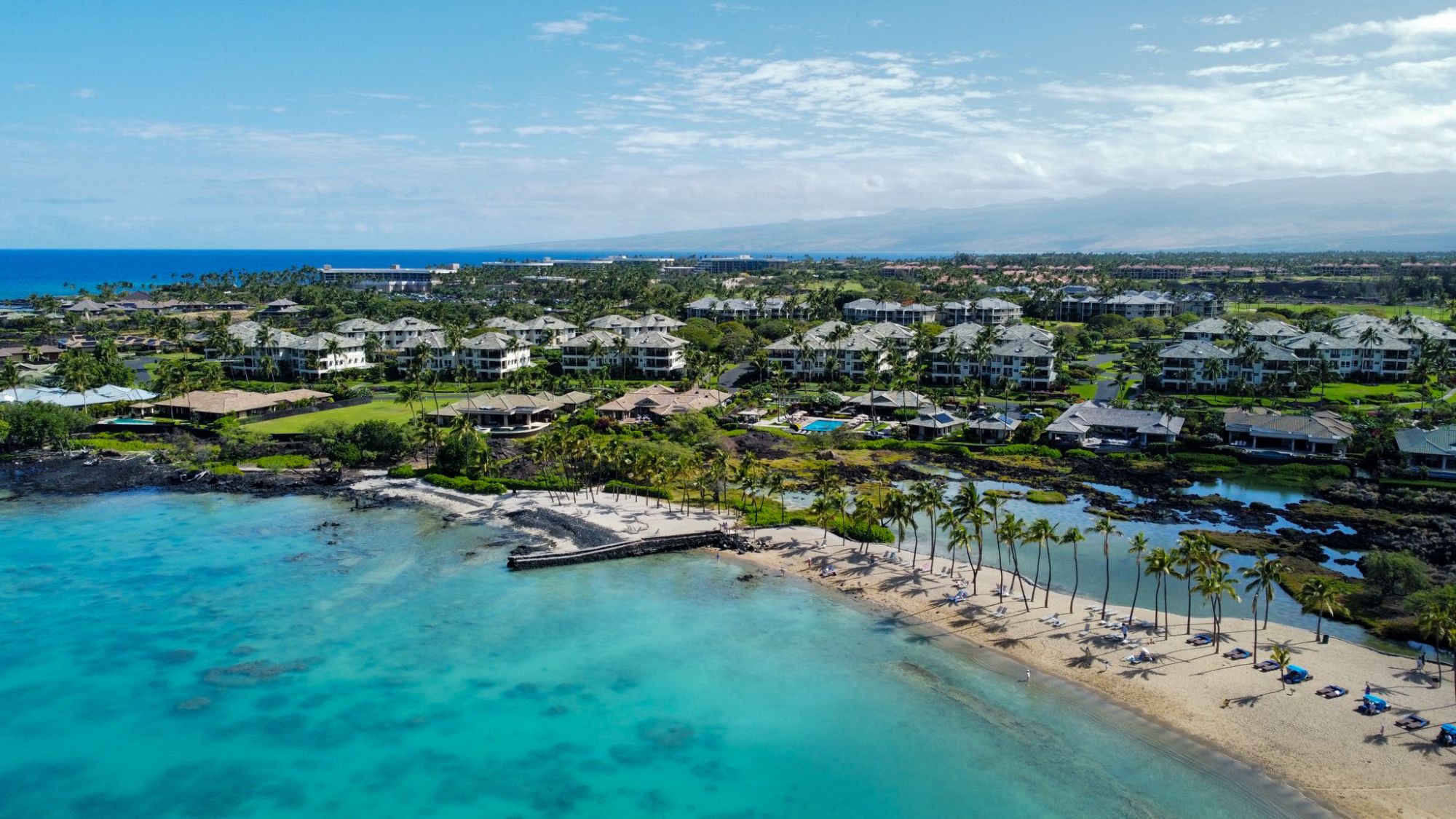
Climate: Hot, arid, and exceptionally sunny. The Kohala corridor is the driest region on the island, with as little as 10-18 inches of annual rainfall and 275+ days of sunshine. Trade wind moisture is blocked by Mauna Kea, creating a warm, predictable climate that feels like a permanent summer.
Lifestyle: This is the island's luxury resort corridor - home to world-class golf, private beach clubs, and five-star hospitality. Buyers here prioritize exclusivity, concierge-level amenities, and seamless indoor-outdoor living.
Real Estate: Highest price points on the island. The Mauna Lani, Mauna Kea Resort, and Waikoloa Beach Resort communities anchor this market. Expect gated estates, golf villas, and oceanfront residences with strong appreciation histories and limited inventory.
Waimea (Kamuela)
Best for: Cool-climate buyers who want green landscapes
Climate: Cool and pastoral. Sitting at approximately 2,700 feet of elevation, Waimea ranges from the mid-50s at night to the mid-70s during the day. Mornings are often crisp, and the landscape is green and rolling - a striking contrast to the coastal zones below.
Lifestyle: Buyers who want a cooler climate, open space, and a refined rural lifestyle. Waimea has a strong culinary scene, a tight-knit community, and access to both the Kohala Coast and Hilo within a 30-minute drive. Think ranch life with sophistication.
Real Estate: Ranch estates, gentleman's farms, and newer luxury subdivisions define this market. Price points are strong but generally below the resort corridor. The appeal is space - five-, ten-, and twenty-acre parcels with panoramic views of Mauna Kea.
Hilo & Hamakua Coast
Best for: Nature lovers and value buyers
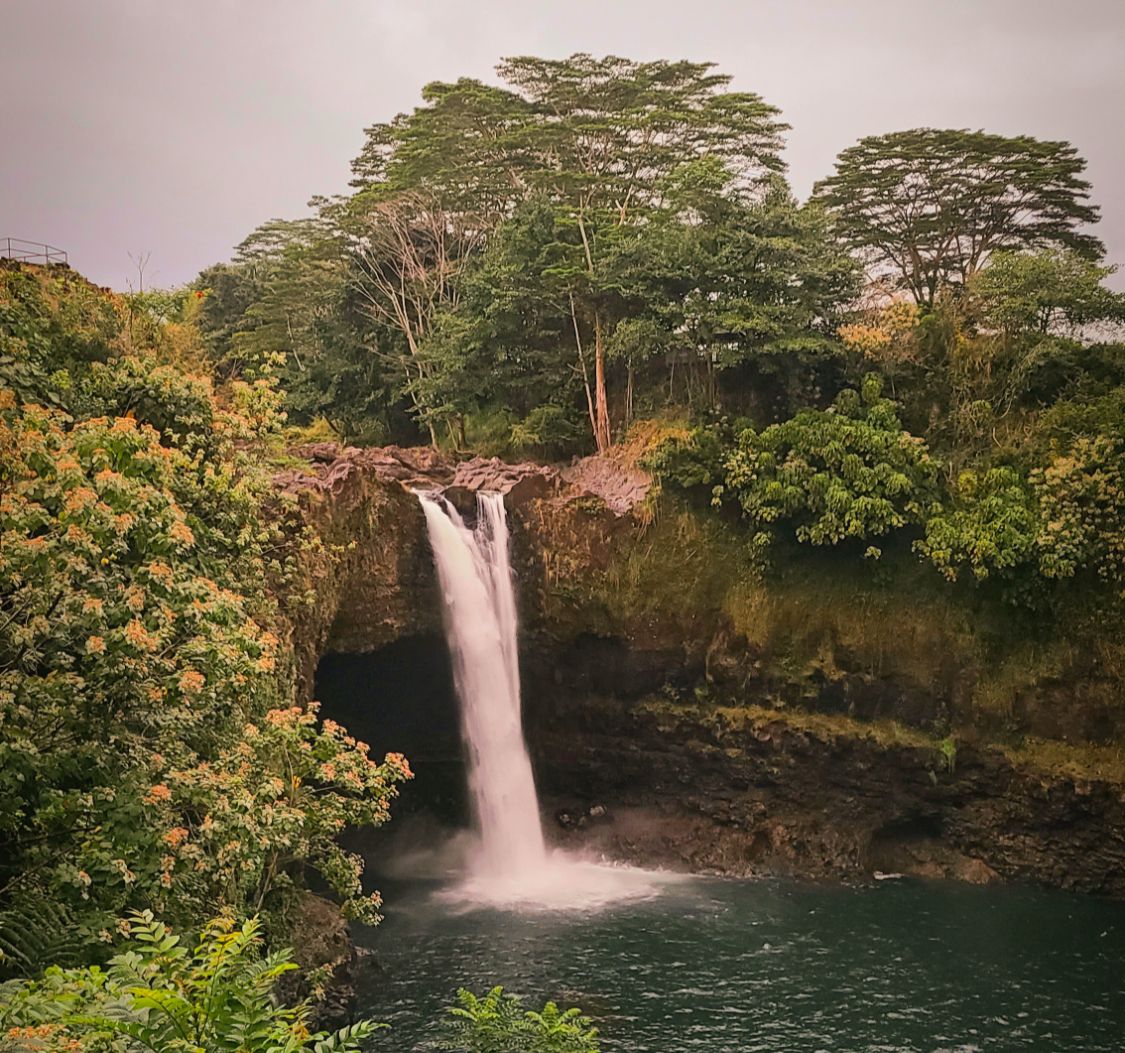
Climate: Lush, tropical, and rainy. Hilo receives over 120 inches of annual rainfall, making it one of the wettest cities in the United States. The rain fuels a spectacularly green landscape - waterfalls, tropical gardens, and dense canopy forest. Temperatures are warm and consistent, typically in the upper 70s to low 80s.
Lifestyle: Nature lovers, creatives, and buyers drawn to authentic "old Hawaii." Hilo has a historic downtown, farmers' markets, and a slower pace. The Hamakua Coast extends north along dramatic sea cliffs - remote, scenic, and deeply private.
Real Estate: The most affordable coastal market on the island. Buyers will find charming plantation-era homes, newer construction, and agricultural parcels at a fraction of leeward pricing. Strong value for those comfortable with the rain.
Holualoa & Kealakekua (Coffee Belt)
Best for: Privacy seekers and agricultural lifestyle buyers
Climate: Elevated, mild, and beautiful. Positioned between 800 and 2,500 feet above the Kona Coast, the Coffee Belt enjoys cooler temperatures, misty mornings, and afternoon sunshine. This is the microclimate that grows world-famous Kona coffee - warm enough for tropical agriculture, cool enough for comfort.
Lifestyle: Privacy seekers, agricultural lifestyle buyers, and those who want panoramic ocean views from an elevated perch. Small-town charm in Holualoa and Kealakekua. Working coffee farms. Artist studios. A quieter, more intentional pace of life - minutes from the coast.
Real Estate: Growing luxury interest. Properties here range from working coffee estates to custom homes on acreage with commanding ocean views. Pricing varies widely depending on elevation, view plane, and agricultural income. This is an emerging luxury segment with strong upside.
Volcano Village & Ka'u
Best for: Off-grid buyers and adventurers
Climate: Cool, misty, and remote. Volcano Village sits at approximately 4,000 feet elevation on the slopes of Kilauea, with temperatures regularly dipping into the 50s and low 60s. Frequent mist and rain create a lush, mossy, old-growth environment that feels more Pacific Northwest than Pacific Island. Ka'u to the south is drier, windswept, and vast.
Lifestyle: Off-grid buyers, adventurers, artists, and those seeking solitude. Proximity to Hawai'i Volcanoes National Park is the defining asset. This is for buyers who want land, space, and an experience unlike anywhere else in the state.
Real Estate: The most affordable entry point on the island. Large parcels are available at prices that open the Big Island to a broader buyer pool. Infrastructure is more limited - some properties are off-grid or require alternative systems. Emerging interest from remote workers and conservation-minded buyers.
At a Glance: Big Island Climate Zone Comparison
| Zone | Climate | Temperature Range | Price Position |
|---|---|---|---|
| Kona Coast | Warm, dry, sunny | Mid-70s - Mid-80s | Premium |
| Kohala & Waikoloa | Hot, arid, sunniest | Upper 70s - Upper 80s | Highest |
| Waimea (Kamuela) | Cool, pastoral | Mid-50s - Mid-70s | Mid-to-High |
| Hilo & Hamakua | Lush, tropical, rainy | Upper 60s - Low 80s | Most Affordable |
| Coffee Belt | Elevated, mild, misty | Mid-60s - Upper 70s | Emerging Luxury |
| Volcano & Ka'u | Cool, misty, remote | Low 50s - Low 70s | Entry-Level |
Common Questions
How many climate zones does the Big Island have?
The Big Island holds 10 of the world's 13 recognized climate zones - more than any other island on earth. This is driven by the dramatic elevation changes of Mauna Kea and Mauna Loa, trade wind patterns, and the rain shadow effect that creates vastly different conditions on the windward and leeward sides of the island.
What is the sunniest area on the Big Island?
The Kohala Coast and Kailua-Kona corridor is the driest and sunniest region, averaging just 18 inches of annual rainfall and 275+ sunny days per year. This leeward coastline is shielded from trade wind moisture by Mauna Kea, creating the warm, consistent conditions that define the resort corridor.
Which climate zone has the most affordable real estate?
Ka'u and the Volcano Village area offer the most accessible price points on the island, with larger parcels and emerging buyer interest. The windward side - particularly Puna and parts of the Hamakua Coast - also provides significantly lower pricing per acre compared to leeward resort areas.
Ready to Find Your Perfect Microclimate?
Every zone offers a different way to live in Hawaii. Let's find the one that fits your lifestyle, goals, and investment strategy.
CONTACT JENNIFER